
Understanding Myofascial Pain Syndrome and Effective Treatments for Trigger Points

Myofascial pain syndrome (MPS) is a common but often misunderstood cause of chronic muscle pain. It involves the development of trigger points—small, sensitive spots within tight bands of muscle that cause pain both locally and in other parts of the body. Many people suffer from MPS without realizing that their pain originates from these trigger points, which can make diagnosis and treatment challenging. This article explores what trigger points are, how they cause pain, and the most effective ways to treat them.
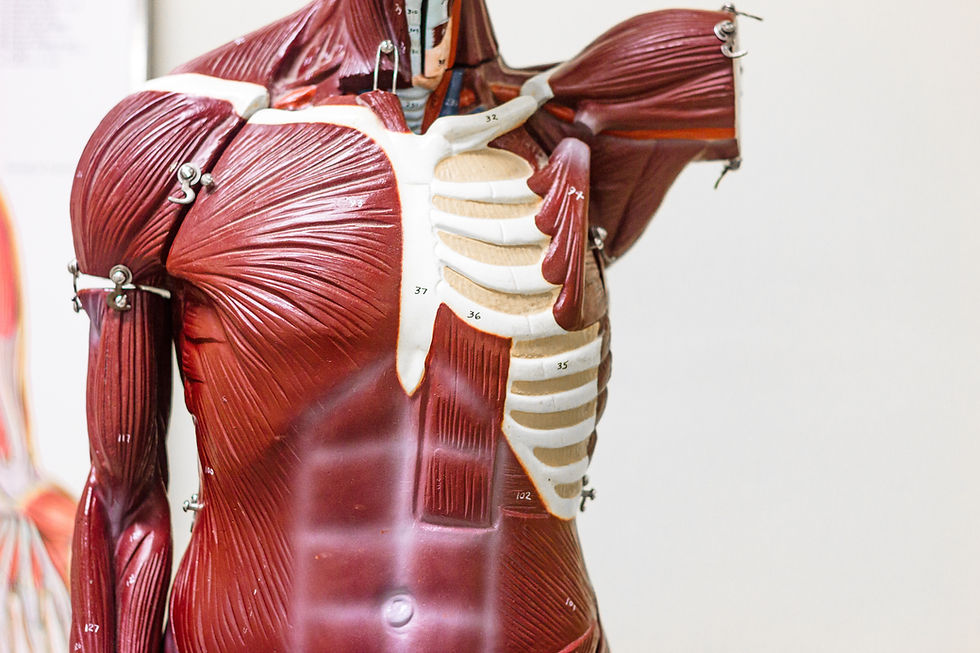
What Are Trigger Points and How Do They Cause Pain?
Trigger points are small, hyperirritable spots found in taut bands of skeletal muscle. When pressed, these points produce pain that can be felt both at the site and in other areas, a phenomenon known as referred pain. For example:
Trigger points in the trapezius muscle often cause pain in the neck and temple.
Suboccipital trigger points refer pain to the back of the head.
Gluteus medius trigger points cause pain along the lateral hip and thigh.
Understanding these referral patterns is crucial because the pain you feel may not be where the problem actually lies. This can lead to misdiagnosis or ineffective treatments if the underlying trigger points are not addressed.
How Trigger Points Develop: The Science Behind the Pain
The development of trigger points is linked to a dysfunction at the motor endplate, the site where nerves communicate with muscles. Abnormal release of acetylcholine, a neurotransmitter, causes continuous contraction of muscle fibers, creating tight knots or taut bands. This sustained contraction reduces blood flow, leading to local ischemia (lack of oxygen) and sensitization of pain receptors (nociceptors).
This process creates a cycle where muscle tightness causes pain, and pain causes further muscle tightness. Without intervention, this cycle can persist, leading to chronic pain and muscle dysfunction.
Diagnosing Myofascial Pain Syndrome
Diagnosis of MPS relies heavily on clinical examination. A skilled practitioner will palpate muscles to identify taut bands and trigger points. The presence of referred pain patterns helps confirm the diagnosis. Patients often describe a deep, aching pain that worsens with muscle use or pressure.
Because trigger points can mimic other conditions such as nerve compression or joint problems, it is important to rule out other causes through a thorough medical history and physical exam.
Effective Treatments for Trigger Points
Dry Needling
Dry needling involves inserting thin needles directly into trigger points to deactivate them. This technique has strong evidence supporting its effectiveness. A systematic review by Kietrys et al. (2013) showed that dry needling significantly reduces pain from upper trapezius trigger points compared to sham needling or no treatment.
The goal is to elicit a local twitch response—a brief contraction of the muscle—which indicates successful deactivation of the trigger point. Patients often experience immediate relief after treatment.
Manual Therapy
Manual therapy techniques complement dry needling and include:
Ischemic compression: Applying sustained pressure to trigger points to reduce muscle tightness.
Deep tissue massage: Targeting deeper layers of muscle to release tension.
Myofascial release: Gentle stretching and pressure to improve fascia mobility and reduce pain.
These therapies help improve blood flow, reduce muscle stiffness, and promote healing.
Addressing Contributing Factors
Trigger points often develop or worsen due to lifestyle factors such as:
Poor posture, especially during prolonged sitting or computer use.
Ergonomic stressors at work or home.
Sleep disturbances that prevent muscle recovery.
Nutritional deficiencies affecting muscle health.
Identifying and correcting these factors is essential to prevent recurrence. For example, improving workstation ergonomics or adopting better sleep habits can reduce muscle strain and support long-term recovery.
When to Seek Professional Help
If you experience persistent muscle pain that does not improve with rest or over-the-counter treatments, consider consulting a healthcare professional experienced in myofascial pain. Early intervention can prevent chronic pain and improve quality of life.
For those in South Kensington, Ali Momeni Pour at Physiome Kensington, Ethos Sports Centre, Imperial College London, offers specialized treatment for myofascial pain and trigger points.


Comments