Understanding Groin Pain in Athletes: Key Causes and Effective Diagnosis Strategies
- Ali Mp
- May 23
- 3 min read

Groin pain is a common complaint among athletes, yet it remains one of the most complex issues to diagnose in sports medicine. The groin area contains multiple structures that can cause similar symptoms, making it difficult to pinpoint the exact cause. Accurate diagnosis is crucial because treatment varies widely depending on the source of pain. This article explores the main causes of groin pain in athletes and outlines practical strategies for getting the right diagnosis.
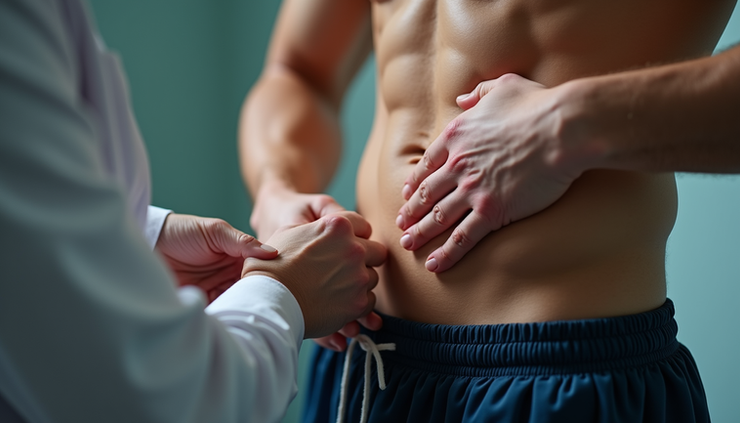
Main Categories of Groin Pain in Athletes
The Doha agreement, a widely accepted classification system in sports medicine, groups groin pain into three primary categories:
Adductor-related groin pain
Iliopsoas-related groin pain
Inguinal-related groin pain
In addition, pubic and hip-related causes must be considered, as they can mimic or contribute to groin pain symptoms.
Adductor-Related Groin Pain
Adductor-related pain is the most frequent cause of groin pain in athletes, accounting for about 62% of cases. This type of pain typically arises from the muscles responsible for pulling the legs together. Athletes in sports such as football, rugby, and ice hockey are particularly prone to this injury.
Key Features
Pain when pressing on the adductor muscles
Discomfort during resisted adduction (pushing the legs inward)
Gradual onset, often linked to overuse or sudden increases in training intensity
Treatment and Prevention
Research supports progressive loading of the adductor muscles as an effective treatment. The Copenhagen adductor exercise, which involves controlled side plank movements with adductor activation, shows strong evidence for both rehabilitation and injury prevention. A systematic review found that this exercise program reduced groin injuries in football players by 41%.
Iliopsoas-Related Groin Pain
Iliopsoas-related pain affects the hip flexor muscles and presents differently from adductor pain. It usually causes discomfort in the front of the groin and hip.
Symptoms
Pain during resisted hip flexion (lifting the knee)
Increased pain when stretching the hip into extension
Often linked to tightness or weakness in the hip flexors
Management
Treatment focuses on strengthening the hip flexors through progressive loading exercises and improving lumbopelvic stability. Manual therapy targeting the lumbar spine and hip joint can also help relieve symptoms and restore function.
Inguinal-Related Groin Pain
Inguinal-related pain involves the groin area near the lower abdomen and can sometimes be confused with hernias. This type of pain often requires careful clinical assessment to differentiate it from other causes.
Diagnostic Approach
Palpation of the inguinal canal
Provocation tests that increase intra-abdominal pressure
Imaging may be necessary to rule out true hernias or other abdominal issues
Hip-Related Causes of Groin Pain
Hip joint problems such as femoroacetabular impingement (FAI) and labral tears can cause groin pain that mimics muscle-related injuries. These conditions require a different treatment approach and often need imaging for confirmation.
Clinical Assessment
Detailed history and physical examination focusing on hip range of motion
Special tests to provoke hip joint pain
MRI arthrogram or ultrasound arranged by a First Contact Practitioner to confirm diagnosis
Importance of Accurate Diagnosis
Getting the right diagnosis is essential because treatments vary significantly:
Muscle-related pain responds well to targeted strengthening and stretching
Inguinal pain may require surgical consultation if a hernia is suspected
Hip joint problems often need specialist input and possibly surgery
A thorough clinical assessment is the foundation of effective management. This includes palpation, strength testing, and provocation tests tailored to the athlete’s symptoms.
Practical Steps for Athletes and Clinicians
Early assessment: Don’t ignore groin pain; early evaluation can prevent chronic issues.
Use standardized classification: Apply the Doha agreement categories to guide diagnosis.
Progressive loading exercises: Incorporate exercises like the Copenhagen adductor exercise for prevention and rehab.
Consider imaging: When hip or inguinal causes are suspected, imaging helps clarify the diagnosis.
Seek specialist advice: First Contact Practitioners can coordinate investigations and referrals.
Getting Help in South Kensington
For athletes experiencing groin pain, expert assessment and treatment are available. Ali Momeni Pour at Physiome offers specialised sports physiotherapy and groin pain assessment in South Kensington. Early and accurate diagnosis can get athletes back to their sport safely and quickly.


Comments