
The Benefits of Physiotherapy for Managing Adult Scoliosis Symptoms

Scoliosis in adults often brings persistent back pain, fatigue, and difficulty with daily activities. Many people wonder if physiotherapy can truly make a difference in managing these symptoms. Based on recent research and clinical experience, physiotherapy offers practical ways to reduce discomfort, improve posture, and enhance quality of life for adults living with scoliosis.
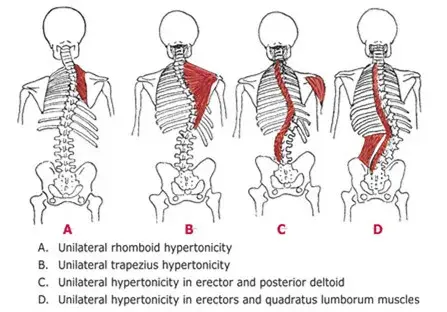
Understanding Adult Scoliosis and Its Challenges
Scoliosis is a spinal condition where the spine curves sideways by more than 10 degrees, often twisting in three dimensions. While commonly diagnosed in adolescence, scoliosis can persist or develop in adulthood due to degenerative changes or neuromuscular conditions. Adults with scoliosis frequently experience:
Chronic back pain
Muscle fatigue
Reduced ability to exercise
Postural imbalances
In severe cases, breathing difficulties due to chest compression
Unlike adolescent scoliosis, where the focus is often on preventing curve progression, adult scoliosis treatment aims to manage symptoms and maintain function.
How Physiotherapy Supports Adults with Scoliosis
Physiotherapy offers a non-invasive approach to help adults manage scoliosis symptoms. The goal is not usually to straighten the spine but to reduce pain, improve posture, and increase mobility. Key benefits include:
Pain relief through targeted exercises and manual therapy
Postural correction to reduce strain on muscles and joints
Strengthening core muscles to support spinal stability
Improving breathing capacity by addressing chest wall restrictions
Enhancing functional ability for daily tasks and exercise
Physiotherapists use scoliosis-specific exercise programs designed to address the unique curvature and muscle imbalances of each individual.
Evidence-Based Scoliosis-Specific Exercises
The Society on Scoliosis Orthopaedic and Rehabilitation Treatment (SOSORT) recommends physiotherapeutic scoliosis-specific exercises (PSSE) as an effective conservative treatment. These exercises focus on:
Stabilizing the spinal curve
Correcting posture in three dimensions
Reducing pain and discomfort
Among PSSE methods, the Schroth method has the strongest research support. Studies show it can reduce the Cobb angle (a measure of spinal curvature) and improve quality of life. For adults, the emphasis is on managing symptoms rather than reversing the curve.
A randomized trial by Monticone et al. (2014) demonstrated that combining PSSE with bracing improved outcomes in adolescents. While bracing is less common in adults, the principles of PSSE remain valuable for pain management and functional improvement.
The ScolioGold Method: A Comprehensive Approach
The ScolioGold method integrates multiple scoliosis-specific techniques, including Schroth, SEAS, FITS, PNF, and myofascial release. This approach offers a tailored rehabilitation program that addresses:
Muscle imbalances
Postural alignment
Breathing mechanics
Pain reduction
Ali Momeni Pour, a physiotherapist experienced in ScolioGold, provides personalised assessments and exercise plans for adults with scoliosis. This method combines evidence-based practices to deliver practical improvements in daily life.
Practical Tips for Adults Considering Physiotherapy
If you have adult scoliosis and are exploring physiotherapy, consider these points:
Seek a physiotherapist trained in scoliosis-specific exercises
Expect a thorough assessment including posture, muscle strength, and breathing
Commit to regular exercise sessions for best results
Use physiotherapy alongside other treatments like pain management or lifestyle changes
Monitor progress with your therapist and adjust the program as needed
Physiotherapy is a long-term commitment but can significantly improve comfort and function.
What to Expect from a Physiotherapy Assessment
A scoliosis physiotherapy assessment typically includes:
Measuring spinal curvature and posture
Evaluating muscle strength and flexibility
Assessing breathing patterns
Identifying pain triggers and functional limitations
Based on this, the physiotherapist will design a personalised exercise program. This may include stretches, strengthening exercises, breathing techniques, and manual therapy.
Improving Quality of Life with Physiotherapy
Adults with scoliosis often report better pain control, improved posture, and increased energy after physiotherapy. These changes can make daily activities easier and reduce reliance on pain medication. While physiotherapy may not eliminate the curve, it supports a more active and comfortable lifestyle.
If you live in South Kensington or nearby, Ali Momeni Pour at Physiome Kensington offers expert scoliosis physiotherapy and ScolioGold rehabilitation. His approach combines clinical experience with the latest evidence to help adults manage scoliosis effectively.


Comments